

Bonding is a micro-invasive technique in which the tooth surface is covered with a thin, malleable composite resin. The dentist shapes the material in several layers and cures each one with an LED light until the tooth’s shape and color match the digital design. Because the enamel is not ground down, the tooth structure remains intact, and the procedure can be reversed if needed without harming the hard tissues. In practice, this means that in a single visit of about two hours it’s possible to close gaps between the front teeth, even out small chips, or brighten a dark edge that has been spoiling the symmetry of your smile for years.
Bonding vs. other aesthetic options
Patients often wonder whether to choose bonding, porcelain veneers, or orthodontic aligners. Each path leads to a different goal and requires a different investment of time and money. Bonding works best for minor issues of shape and color-it can mask a diastema, even the incisal edge line, or gently lighten a single tooth that just won’t match the rest of the arch. Veneers, although more durable, require enamel preparation and lab work, which stretches the process across several visits. Aligners, on the other hand, are not chosen for an instant visual effect but when the problem lies in the position of the entire bite. Remember that at a dental office offering bonding, all options are presented during a single consultation, and the final decision is made only after discussing the advantages and limitations of each.
What does the procedure look like step by step?
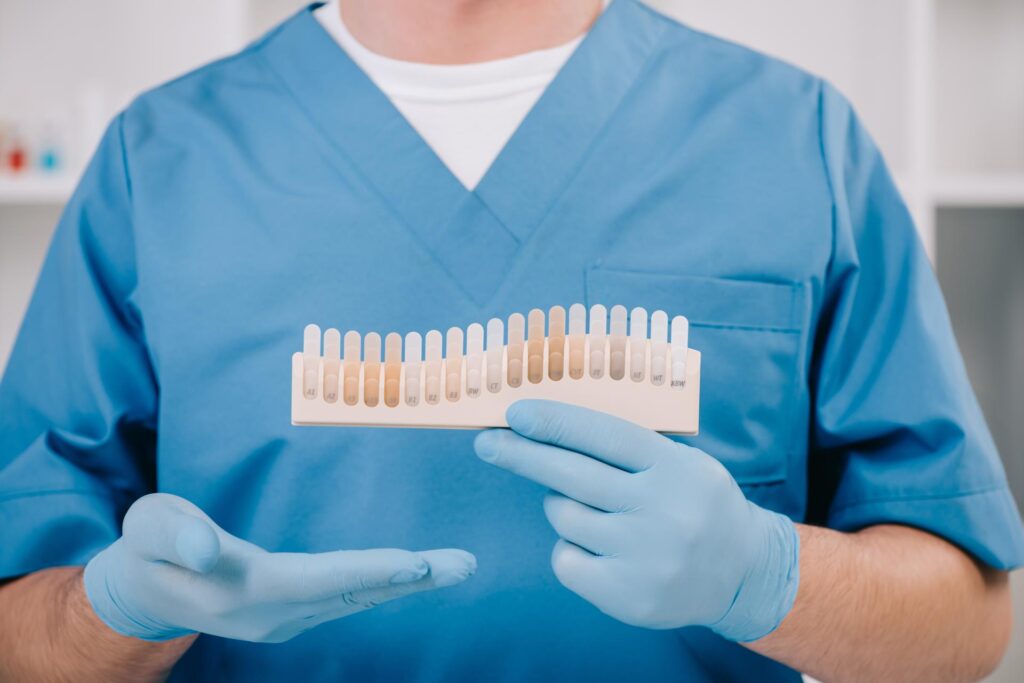
“The process starts with a calm conversation and a 3-D digital scan. It replaces traditional, often uncomfortable impression materials and lets us transfer an accurate image of the dentition into the Digital Smile Design software,” explains Dr. Natalia Marczak from Dentyści Lublin, a clinic that specializes, among other things, in bonding. “The virtual model is rotated on the screen, and the patient and doctor decide together what the new tooth contours should look like. Next, we select the shade of composite in natural daylight by a window. Operatory lights can distort color and lead to disappointment once you go outside,” adds Natalia Marczak.
Once the plan is ready, the tooth is isolated with a rubber dam and its surface is etched for several seconds with a special gel. After rinsing, a bonding agent is applied to create a micro-level bond between the resin and enamel. Shaping is performed under an operating microscope, giving about twenty-five-fold magnification; this way the transition between the composite and natural enamel is invisible to the naked eye. Each layer is cured for a few seconds with a specialist LED lamp, and after building the final shape the material is polished with a system of diamond rubber polishers until it reaches a luster close to enamel. Finally, the bite is checked with articulating paper to ensure the new surface doesn’t disturb contact with the opposing tooth. The entire session usually takes one to two hours, depending on how many teeth are corrected.
Durability and aftercare
To keep the composite’s sheen and shade, two things are crucial: regular in-office hygiene appointments and gentle daily care at home. Specialists recommend brushing with a soft toothbrush and a low-abrasivity toothpaste, and flossing interdental spaces at least once a day. Tartar and stains removed every six months during professional scaling and polishing can extend bonding longevity to as much as seven years. Patients who wear night guards protect the tooth surfaces from microcracks caused by grinding; in practice, such prevention significantly reduces the risk of chipping. “If after a few years the composite loses its shine or slightly discolors, a thin refresh layer is usually enough,” explains Dr. Natalia Marczak. The touch-up takes only several minutes and doesn’t require removing the entire restoration.
Bonding at Dentyści Lublin – what sets us apart?
Patients in Lublin often point out that what convinces them is the combination of precise equipment with an approach that ensures full comfort. 3-D scans, a microscope, and a curing lamp are one side of the coin; the other is the atmosphere: warm light instead of harsh white, aromatherapy with natural oils, and coffee served in the waiting room. Before the treatment chairs start up, the doctor comes out to speak with the patient and calmly reviews the plan-lack of haste lowers stress, and lower cortisol levels make any anesthesia (if needed) work more effectively. “An important element of our daily philosophy is the motto: ‘YOU come first.’ That’s why we strive to provide maximum comfort to every Patient,” adds Natalia Marczak.
Equally important is transparent pricing. The patient receives a single document covering the consultation, scan, procedure, six-month check-up, and a potential refresh in a few years. This makes it easy to plan a budget before making a decision, not during treatment. The absence of hidden fees and the ability to ask questions through the patient app (chat available after hours as well) build trust which-according to our clinic’s experience-matters more than flashy advertising slogans.
When is bonding not the best choice?
There are situations where even the most precisely executed bonding won’t meet expectations. If discoloration is very deep (typically after long-term tetracycline therapy), a thin composite layer may not be enough to fully mask the color and porcelain veneers may work better. In patients with untreated bruxism, resin can wear or flake faster, so it’s worth introducing a protective night guard before treatment. Finally, when the problem is a malposition of the entire dental arches, orthodontic treatment is considered first-bonding in such cases is often a finishing stage used for small refinements after braces or aligners. Each of these situations requires an individual assessment during consultation; only then does the doctor present the most sensible plan.
Book a visit at Dentyści Lublin
Tooth bonding is a quick, safe, and reversible method of subtle smile enhancement, especially attractive for those seeking a “here and now” effect without grinding enamel. Digital planning, microscope-assisted work, and a friendly clinic atmosphere make bonding at Dentyści Lublin a blend of technical precision and patient-centered empathy. If you live in Lublin or nearby and are considering improving the shape or color of your teeth, a consultation at our clinic will help determine whether bonding is the best option for you. Remember: we always make decisions together, and the doctor’s role is to provide solid facts-not to “sell” a procedure.
(This text is for educational purposes only and does not replace an individual dental consultation.)
FAQ – Most frequently asked questions about tooth bonding in Lublin
Does bonding hurt or require anesthesia?
Most patients feel no pain because bonding doesn’t require drilling hard tissues. If the tooth surface is particularly sensitive, the dentist can administer a small dose of computer-controlled local anesthetic. Because the fluid is delivered slowly, the sensation is limited to mild pressure, and normal feeling returns within tens of minutes.
How long does the aesthetic effect last?
With proper home hygiene and regular in-office polishing, the composite’s gloss and color remain stable for an average of four to seven years. In practice, longevity depends on diet, brushing technique, and any parafunctions such as teeth grinding. After a few years the resin can be refreshed with a thin top-up layer without removing the entire restoration.
Does the material stain faster than natural enamel?
Fresh composite is less prone to pigments than rough enamel. However, if a patient regularly drinks coffee, red wine, or smokes, micro-scratches formed during chewing can absorb pigment. That’s why it’s worth having professional polishing twice a year to restore smoothness and shine.
What are the contraindications to bonding?
The procedure is usually excluded in people with untreated bruxism, active caries at the gumline, periodontal inflammation, or exceptionally deep tetracycline discoloration. Transparent resin cannot mask a very dark base, so porcelain veneers are considered in such cases.
Is the result reversible?
Yes. Because the composite bonds chemically to enamel without cutting it back, the material can be removed entirely if plans change. After removing the resin, the tooth looks the same as before, and the enamel only needs polishing to regain its natural luster.
How much does bonding cost in Lublin?
The exact cost depends on the number of teeth and the complexity of the correction. During the consultation, the patient receives a detailed plan covering all stages: 3-D scan, smile design, procedure, six-month check-up, and a possible composite refresh in the first year. The document is provided before any decision is made, allowing you to plan your budget calmly.
Can I whiten my teeth after bonding?
Composite resin does not lighten with standard whitening agents. That’s why if you plan to brighten your entire dentition, you should do so before bonding. The alternative is to replace the composite layer locally with a lighter shade, which requires another visit and additional cost.
Is bonding suitable for teenagers?
The procedure can be performed after the eruption of permanent teeth is complete, typically around age twelve. For underage patients, parents or legal guardians sign consent. For large diastemas during growth, the dentist may first recommend an orthodontic consultation to assess whether the cause is only tooth shape or also arch position.
Is bonding allowed during pregnancy?
LED-cured resin is inert for the body; however, in the first trimester all elective procedures are discouraged. If the aesthetic correction isn’t urgent, it’s better to postpone it to the second half of pregnancy or the postpartum period.
How should I care for my teeth right after the procedure?
For 48 hours, avoid strongly staining products: coffee, tea, red wine, or beets. Brush with a soft toothbrush and use a low-abrasivity toothpaste so the fresh composite surface maintains ideal smoothness.
Can bonding damage the tooth?
The procedure itself is fully reversible and micro-invasive, but incorrect technique-etching enamel for too long, inadequate rinsing of the gel, or a leaky bond-can increase the risk of sensitivity and secondary caries. That’s why magnification, strict moisture control, and a precise curing protocol are so important. It’s worth entrusting this treatment to experienced clinicians, such as Dr. Natalia Marczak at Dentyści Lublin.
What does a repair look like if a piece chips off?
Book a short visit during which the dentist polishes the chipped edge, applies a small amount of fresh composite, and cures it again with the lamp. This touch-up takes several minutes and usually doesn’t require anesthesia.
Does bonding affect the bite?
The resin layer is usually less than half a millimeter thick. If several teeth are being adjusted, the dentist checks occlusal height with articulating paper, and for larger changes records contacts using a digital registration system. This keeps the bite stable.
Is the material safe for people with allergies?
The resins used at our clinic do not contain bisphenol A or methyl methacrylate, the most common triggers of allergic reactions. If a patient reports any dental material allergies, the doctor performs a spot test on the mucosa before the actual procedure.
How quickly can I return to normal eating?
Once you leave the office, the resin is fully cured, so you can drink and eat right away. During the first day, however, it’s best to avoid extreme temperatures to prevent temporary sensitivity.
Bonding at Dentyści Lublin – step by step from the patient’s perspective
At Dentyści Lublin, we know how important maximum patient comfort is in the treatment process. The whine of a drill, medical odors, bright lights-all of this can trigger instant stress. That’s why, upon entering our waiting room, you’re greeted by the aroma of freshly ground coffee and warm, subdued lighting instead of classic fluorescent white. Reception addresses you by name and gives you a short health questionnaire. When it’s time for the procedure, the doctor comes to the waiting room, introduces themselves, and walks you to the operatory. We focus on partnership and empathy.
The first stage is a 3-D digital scan. The scanner’s open design makes it feel like a small camera rather than a bulky tray with plaster. Data from the camera appears on the monitor, where our specialized Digital Smile Design software automatically aligns tooth proportions to the face. The doctor adjusts length and width sliders; you watch the changes and decide which setup looks best.
When the design is approved, the operator prepares the field. A rubber dam-a yellow, silicone membrane-is placed on the tooth so the tongue and cheeks remain safe and the enamel surface is perfectly dry. Etching takes only a few seconds, after which the tooth shines like an apple peel. A bonding system is applied, followed by sequential layers of composite. The microscope magnifies the view twenty-five times, making the boundary between resin and enamel virtually invisible.
Throughout the shaping stage, the “STOP” gesture is in effect. A slight raise of the hand is enough for the doctor to pause and let your jaws relax. This restores a sense of control, especially for those with unpleasant dental memories. After the final curing, the LED lamp is set aside, the tooth is polished to a high gloss, and occlusal contacts are checked.
The visit ends with a pocket mirror. This is when most patients smile wider than before-small irregularities and stains are gone, revealing an even line of bright incisal edges. Reception prints out a care plan and books a free follow-up in six months. A link to the patient app arrives on your phone, where you can replay brushing instructions and jot down questions. If you feel the need for advice after you get home, a quick message in the chat is enough.
That’s bonding in practice at Dentyści Lublin: precise technology, a clear plan, and an atmosphere in which you truly feel that “YOU come first.”